
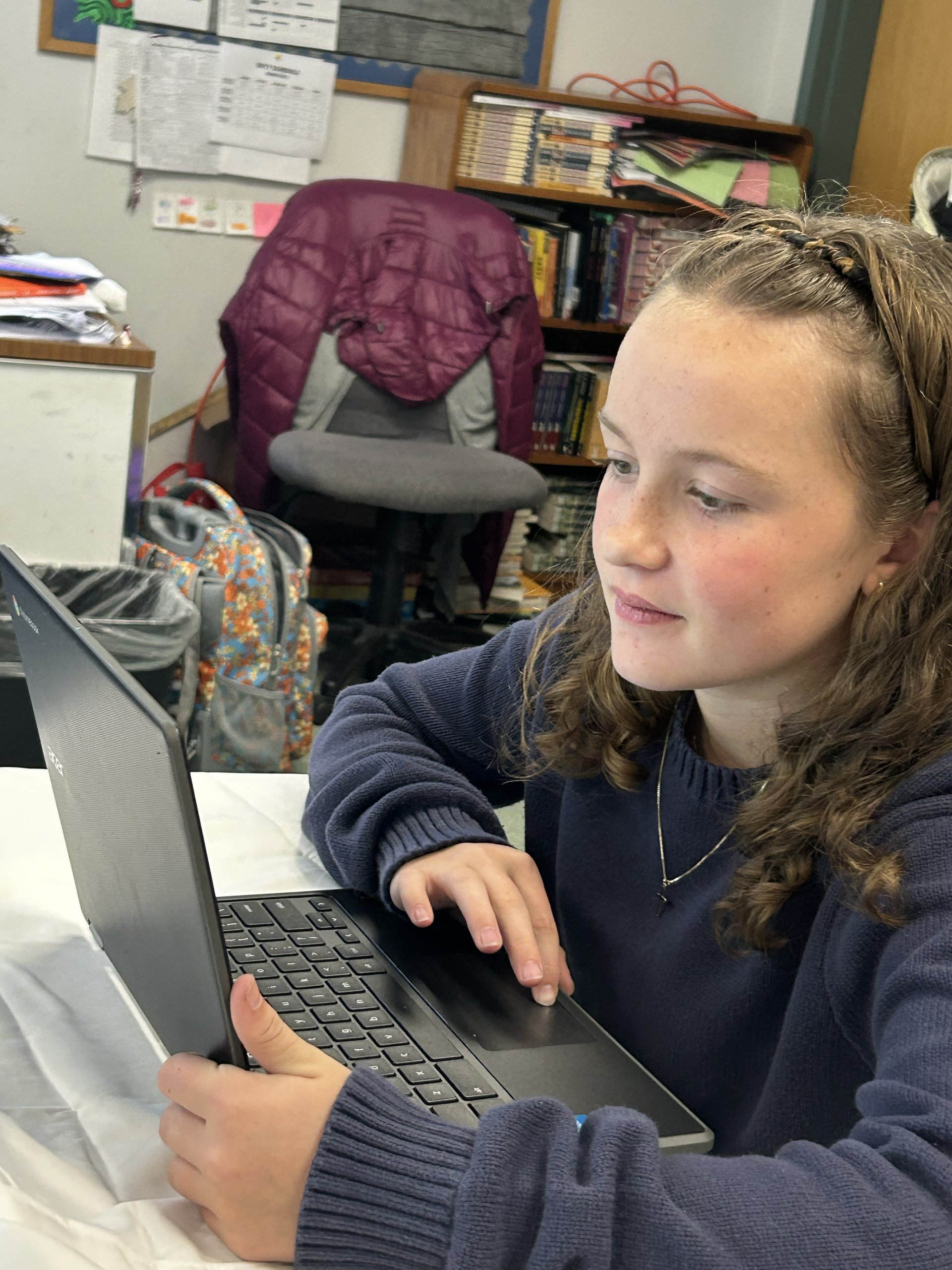
The assignment is due tomorrow. Your child knew about it last week. Now both of you are staring at a blank document.
It is tempting to take control: open the planner, make the outline, send the teacher a message, and supervise every sentence.
That may get one assignment moving. It does not necessarily answer the bigger question: How can your child learn to manage the next one with more independence?
Harvard’s Center on the Developing Child identifies planning, focus, and flexibility as skills young people can build through practice. That is a useful starting point. Organization is something to teach and practice, not simply a trait to demand.
In this article
- Turn a vague assignment into one next step your child can finish.
- Use a regular check-in instead of watching every move.
- Practice asking the teacher, then review what worked.
Make the next step visible
“Work on your project” can hide several different jobs. Your child may need to choose a topic, find information, make notes, draft, revise, and submit the work.
Ask, “What is the next action you could finish?” Let the student name it. If they cannot, help them unpack the assignment rather than doing the task for them.
A useful next step is small enough to recognize when it is done: read the instructions, write down the required parts, or prepare one question for the teacher. The aim is to replace a vague obligation with something a student can begin.
Build a check-in, not a surveillance system
Choose a predictable time to review what is coming up. Ask your child to bring the information and explain the plan. Your role is to listen, question, and help identify gaps.
Try, “Which assignment will take the most time?” “What might get in the way?” and “Where do you need help?”
Keep the approach proportionate to your child’s needs. Some students require more explicit support or accommodations. Independence should not mean withdrawing help that is necessary. Work with teachers and relevant professionals when an individual plan is needed.
Practice asking the teacher
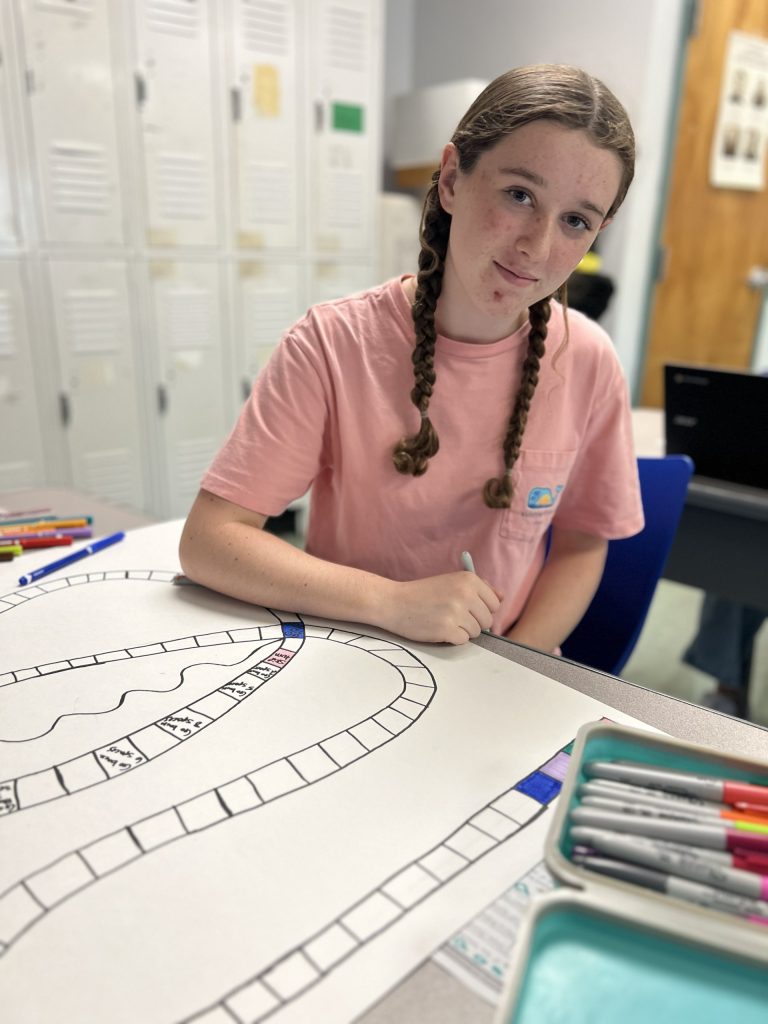
A student who is uncertain about instructions needs a way to address that uncertainty. Help them prepare a specific question: “I understand the topic, but I am not sure what belongs in the conclusion. Could you explain?”
You can rehearse the conversation without speaking for your child every time. When a parent needs to be involved, be involved. The goal is a gradual transfer of appropriate responsibility, not an abrupt refusal to help.
Abundant Life’s middle school program emphasizes time management, responsibility, and self-advocacy alongside academics. Families can ask how those expectations are taught and supported in grades six through eight.
Review the process after the pressure passes
When the assignment is finished, avoid turning the review into a second argument. Ask what helped, where the plan fell apart, and what one change might make the next task easier.
Maybe the student needs to start research earlier. Maybe the instructions were unclear. Maybe the plan did not account for a busy evening. Each explanation suggests a different next step.
Recognize useful decisions, not just the grade. Asking a question early or breaking a project into manageable parts is worth noticing.
The long-term goal is not a parent who becomes a better assignment manager. It is a student who becomes better at understanding the work, making a plan, and seeking help when necessary.
Visit Abundant Life Christian School to ask how our middle school helps students practice those responsibilities before their next stage of education.
Schedule a Tour